Workshops
DeepSleep Technologies
Host: Aikaterina and Filip
Sleep is fundamental to brain health, cognition, and long-term wellbeing. A central feature of restorative sleep is slow wave activity, the neural oscillations that characterise deep sleep. By combining cutting edge sleep research with our closed loop neurostimulation (CLNS) algorithm, Deep Sleep Technologies detects and precisely targets the brain activity that underpins deep, restorative sleep. By tracking slow oscillations in real time and predicting their timing, the system aligns stimulation with slow wave activity. The company’s mission is to bridge the gap between laboratory sleep research and real-world applications, commercialising technologies that restore healthy sleep dynamics and support better sleep at scale.
During this workshop, we will introduce the neurophysiology of deep sleep and the role of slow oscillations in maintaining stable sleep architecture, and discuss how phase targeted auditory stimulation can modulate these rhythms. We will then demonstrate our patented modelling based closed loop neural stimulation algorithm (M CLNS), showing how slow oscillations can be detected and precisely targeted in real time.
Workshop Description
Our workshop will consist of two parts, combining theoretical background with practical demonstration. In the first part, we will introduce attendees to the fundamental principles of sleep research with a particular focus on the neurophysiology of sleep and the functional role of slow oscillations during deep sleep. We will explain how auditory stimulation can be used to modulate these oscillations in a phase-targeted manner, and summarize the current state of research in closed- loop stimulation paradigms. In addition, we will address the rapidly growing field of sleep wearables. Specifically, we will discuss the methodological and technical challenges associated with translating laboratory-grade sleep research into real-world, at-home environments, including signal quality, latency constraints, user experience, and compliance.
In the second part of the workshop, we will demonstrate our patented modelling-based closed- loop neural stimulation algorithm (M-CLNS) using a research-grade wearable EEG device. First, we will present a demonstration on pre-recorded sleep data to illustrate how the algorithm detects and precisely targets slow oscillations during deep sleep. We will then conduct a live demonstration with one of the attendees, highlighting the system’s flexibility by detecting and targeting waking alpha activity in real time.

Introduction to Conducting Psychopharmacological Experiment
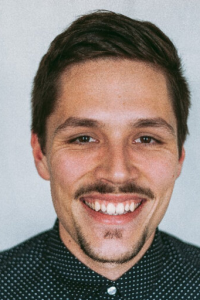
Host: Philine Baumert, University of Bonn
My name is Philine Baumert and I am a final-year PhD student in the Department of Psychology at the University of Bonn. I studied psychology in Bonn and am working in the Section for Cognitive Psychology and Experimental Clinical Psychology. My work focuses on psychopharmacology, oculomotor behaviour, and cognitive neuroscience. My main PhD project utilises ketamine’s effects to modulate NMDA-receptor functioning mimicking hypo-functioning thought to play a role in schizophrenia in healthy participants.
Workshop Description:
This workshop will give you an introduction to psychopharmacological experiment planning with human participants. Psychopharmacology concerns investigating interactions between pharmacological compounds, the nervous system, and their impact on experience and behaviour. For many drugs, it is known how they act neurochemically. Therefore, observing drug-related changes to cognition, perception, and behaviour may provide insights to parts of their neurochemical basis. It can also allow for inferences concerning the aetiology and biological basis of psychiatric disorders as well as open up new treatment approaches. For example, psychotomimetic effects of phencyclidine and its derivate ketamine observed in healthy participants have informed the glutamate-hypothesis of schizophrenia.
The workshop will primarily focus on the processes, preparations,and precautions necessary before the first participant enters the lab,although we will also talk about appropriate investigator behaviour during these kinds of experiments. At the end of the workshop, you should have gained insights in how to actually conduct psychopharmacological experiments yourself, especially what practical steps need to be considered before assessments start.
From Brain Signals to Circuits: Experimental Methods in Neuroscience




Language comprehension without visual imagery: exploring aphantasia
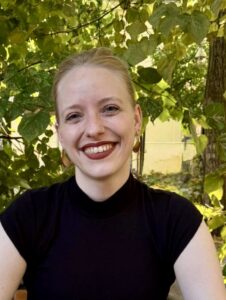
Host: Laura Speed
Aphantasia is a condition in which people cannot perform voluntary, conscious imagery. Recent research suggests this lack of imagery might affect the way people read, with aphantasic participant less able to feel absorbed in a story world (Speed, Eekhof, & Mak, 2024). On the other hand, experiments with single words and sentences suggest that aphantasics do engage in mental simulation, unconsciously activating visual referents (Speed, Geraerds, & McRae, 2025; Speed, Mak, & McRae, 2026). The aim of this workshop is to formulate ideas for experiments that could answer the following questions:
1) Are aphantasics using different strategies in these experiments, which make them appear like controls?
2) How does conscious and unconscious imagery contribute to language comprehension?
Suggested readings
Muraki, E. J., Speed, L. J., & Pexman, P. M. (2023). Insights into embodied cognition and mental imagery from aphantasia. Nature Reviews Psychology, 2(10), 591-605.
Speed, L. J., Eekhof, L. S., & Mak, M. (2024). The role of visual imagery in story reading: Evidence from aphantasia. Consciousness and Cognition, 118, 103645.
Speed, L. J., Geraerds, E. M., & McRae, K. (2025). Dissociating voluntary mental imagery and mental simulation: Evidence from aphantasia. Memory & Cognition, 1-12.
Speed, L. J., Mak, M., & McRae, K. (2026). Investigating mental simulation during sentence comprehension in aphantasia. Neuropsychologia, 109443.